
Dinosaurs Thrived in the Arctic and You Can Now See Proof in Flint
When I was a kid, I absolutely loved dinosaurs. Being born in 1978 and growing up in the 1980s, we may not have had Jurassic Park yet, but we had something that still blew our minds. One of my earliest memories is when my parents took me to the Sloan Museum in Flint for a dinosaur exhibit.
A Childhood Love of Dinosaurs Comes Full Circle
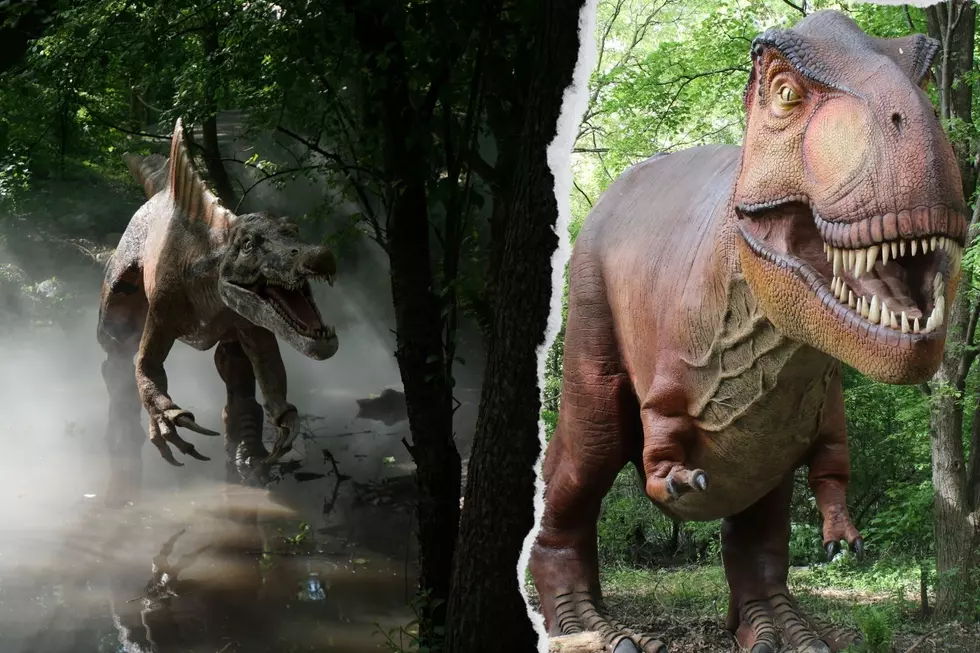
As an 8-year-old, it was incredible to see these massive creatures moving and making noise. Some, like the T. rex, were scaled down because they were simply too big to fit inside, but many were full size. Looking back now, the animatronic technology used in the 1980s was impressive enough to completely blow my mind.
READ MORE: Extreme Cold Becomes Deadly in Michigan and Across The U.S.
Fast forward 40 years, and the new dinosaur exhibition at the Sloan Museum of Discovery is nothing short of astonishing. Not only has animatronic technology advanced dramatically, but those same technological breakthroughs have also helped scientists learn far more about these prehistoric giants.
The Science That Changed What We Know About Dinosaurs
According to Anne Mancour at the Sloan Museum of Discovery, paleontologists made a fascinating discovery about 15 years ago involving dinosaurs that lived in the harsh winter conditions of Alaska.

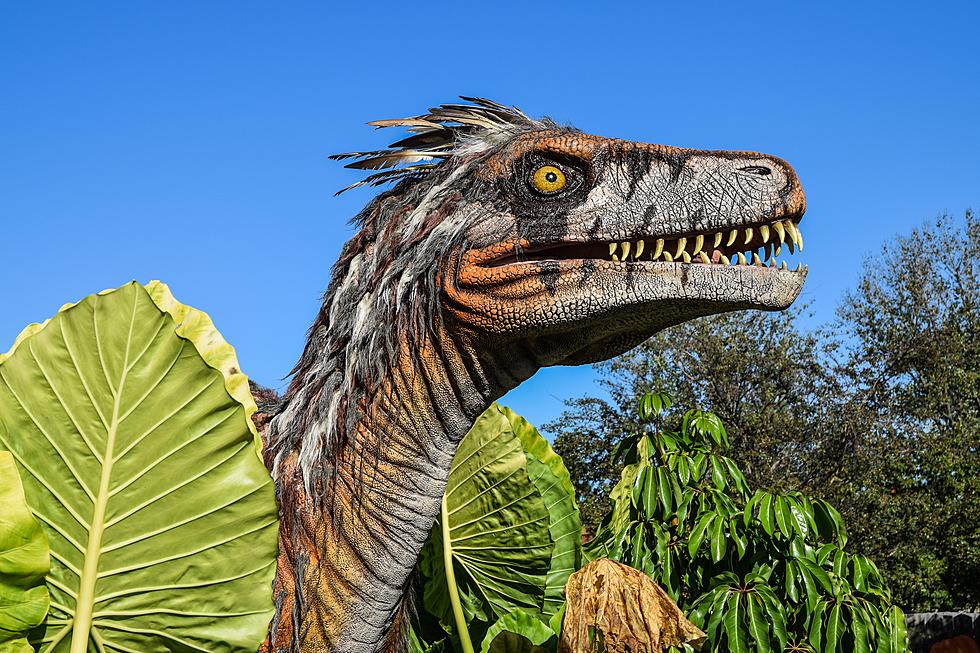
Can you imagine a T. rex with fur or a velociraptor with feathers? Believe it or not, that was actually a thing. ICE DINOSAURS: The Lost World of the Alaskan Arctic takes visitors far above the Arctic Circle, to a time when dinosaurs didn’t just survive, they thrived in a world of snow, ice, and months of total darkness.
Inside ICE DINOSAURS at Sloan Museum of Discovery
This immersive traveling exhibition features real fossils, lifelike animatronic dinosaurs, and hands-on interactive elements that reveal discoveries rewriting everything we thought we knew about dinosaur life. These Arctic-dwelling dinosaurs challenge long-held assumptions about how and where dinosaurs could live.
READ MORE: Can Trees Explode in Extreme Michigan Cold?
ICE DINOSAURS reveals evidence that some dinosaurs were warm-blooded, non-migratory, and perfectly adapted to endure long, sunless winters and brief stretches of endless daylight. The exhibit is recommended for ages 7 and up. Tickets are available now at SloanLongway.org.
Ice Dinosaurs: The Lost World of the Alaskan Arctic
Gallery Credit: Jeremy Fenech
Strange Lenten Fish Alternatives From Michigan and the World
Gallery Credit: Getty Images
Remembering Beloved Mid-Michigan TV Anchor Sam Merrill
Gallery Credit: Courtesy of Katy Marrill
More From Cars 108